Beauty blooms from scraps at Upcycled Garden
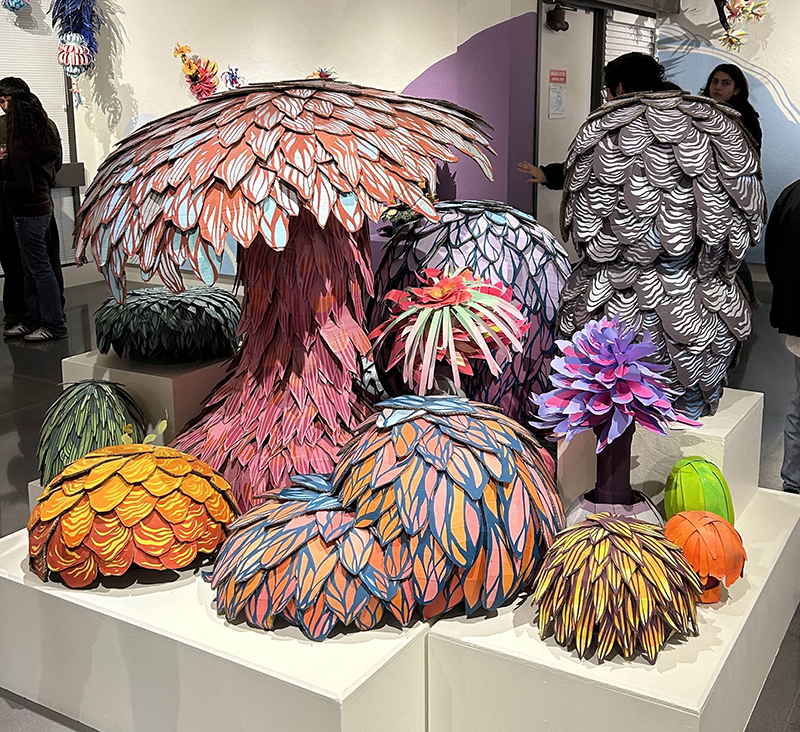
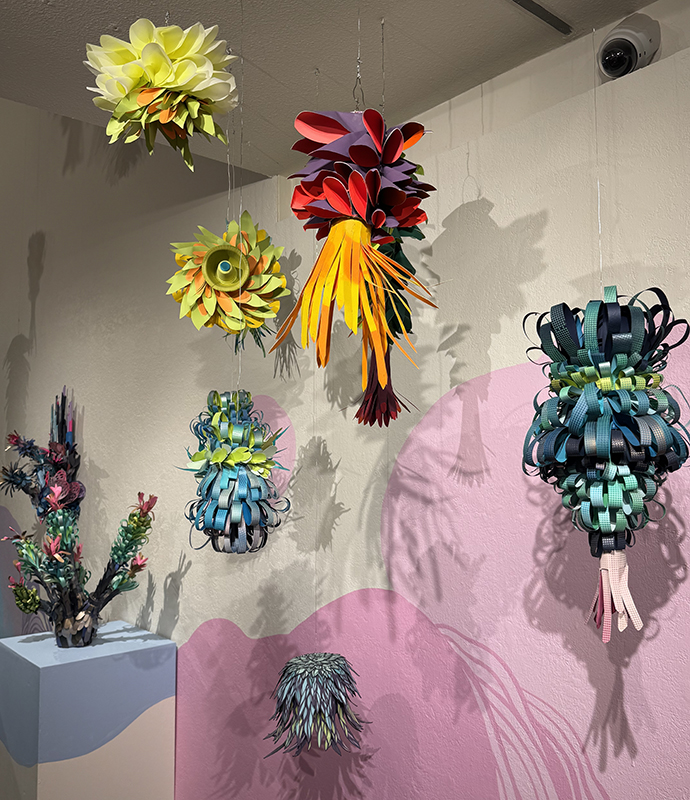
The art exhibit Upcycled Garden, an ever-growing and installation concept by Daniel “Attaboy” Seifert is open for viewing until Dec. 12 in the L.H. Horton Art Gallery.
Seifert started his career as a toy designer with a great appreciation for physical art, and began the concept for Upcycled Garden as an art therapy project under the COVID-19 lockdown.
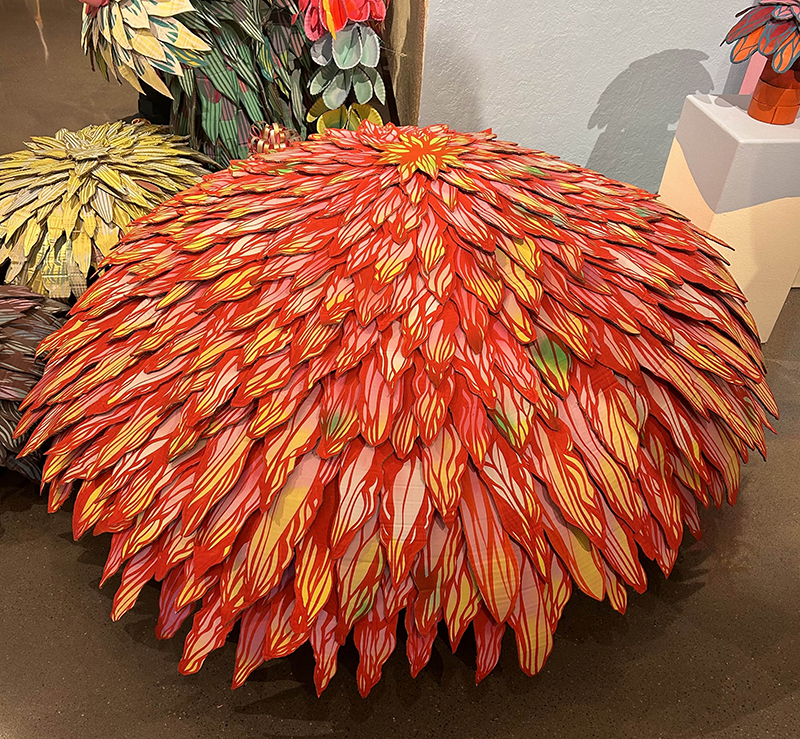
He used recycled materials such as cardboard, lemonade bottles and detergent bottles that were painted and crafted together to create a complex garden of many different unique types of pieces throughout the exhibit.
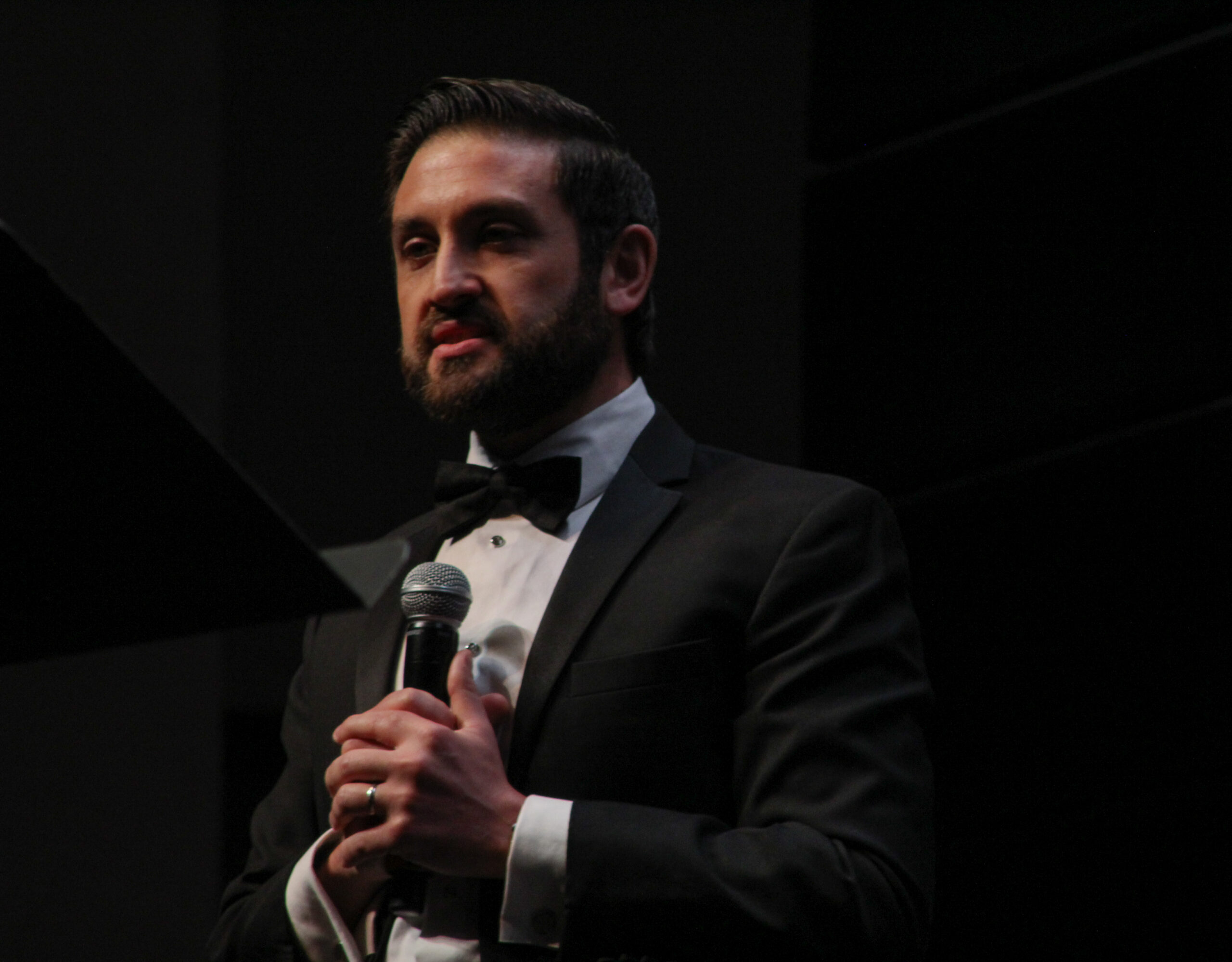
“Everybody was locked down, all my shows were cancelled, so I started using materials that we had because it was cheap, and I wanted to make something to bring to the park and make it really big and put up fliers and say ‘Come see the crazy, big, weird, beautiful thing,’” said Seifert.
The show has been on tour around the country for the past two years in cities from Las Vegas to St. Louis, Missouri, and is constantly growing and evolving as Seifert continues to add more pieces to it.
Before the start of the show, Seifert came to Delta to do a demonstration for students, and 14 students participated in doing smaller student-made joint pieces as well as contributing to larger pieces, all of which are displayed in the art exhibit.
Owen Noska, studio art major and Horton gallery crew member, helped set up the exhibit and create one of the pieces in the show and describes what the process was like working with Seifert.
“Atta [Seifert] came with a bunch of boxes full of scrap and he gave us these bases to put the scrap on to, I say scrap but it’s really pretty, hand painted pieces of cardboard,” said Noska. “He gave us full creative control and just told us to make it look pretty, he showed us a few of the techniques that he uses commonly and we were just able to use those to make artwork out of it. We all got into different groups, and each group made its own separate piece.”
Juniper Pimentel, a horticulture major and art enthusiast, also helped with the creation of a few pieces throughout the show. They described that their favorite part of the show is the added detail of painting the gallery walls to match the exhibit.
“These walls were completely blank before he came in and did his thing. I find it very immersive, it makes it feel like he set this up so it could feel cohesive,” said Pimentel. “I also like how he used the community’s creativity, especially with the bigger pieces.”
The main theme of the exhibit is utilizing already available material that would otherwise be tossed, and giving it new life and using it to create beautiful artwork.
“It’s a diary and a record of our consumption, in a sense some of our values as well with things that we consume. When we’re not creating we’re often consuming, so I try to create as much as I can cause I don’t have too much money to consume,” said Seifert.